
Recipe Notes
Why this works
A salt-light blend keeps taco night flexible: warm enough for beans, meat, fish, and vegetables, but not so salty that chips and salsa take over. Add water at cooking time when you want a saucy finish.
American-style chili powder
Use the mild blended chili powder common in U.S. grocery stores, not pure cayenne or a very hot ground chile.
Cumin
This is the warm backbone of the blend. If yours smells dusty or faint, the jar is probably tired.
Paprika
Smoked paprika makes the blend deeper; sweet paprika keeps it softer.
Salt
This recipe is intentionally not packet-salty. Add more salt to the finished dish if it needs it.
Start Here
The small jar that makes taco night easier
I keep taco seasoning around for the nights when dinner begins with a skillet and a very small amount of ambition. Maybe there are tortillas. Maybe there are beans. Maybe there is one lonely sweet potato asking to become useful.
A good taco seasoning recipe should do more than replace a packet. It should tell you how much to use, how salty it is, what to do when you want that saucy packet texture, and how to use the same jar for beans, fish, sweet potatoes, and bowls.
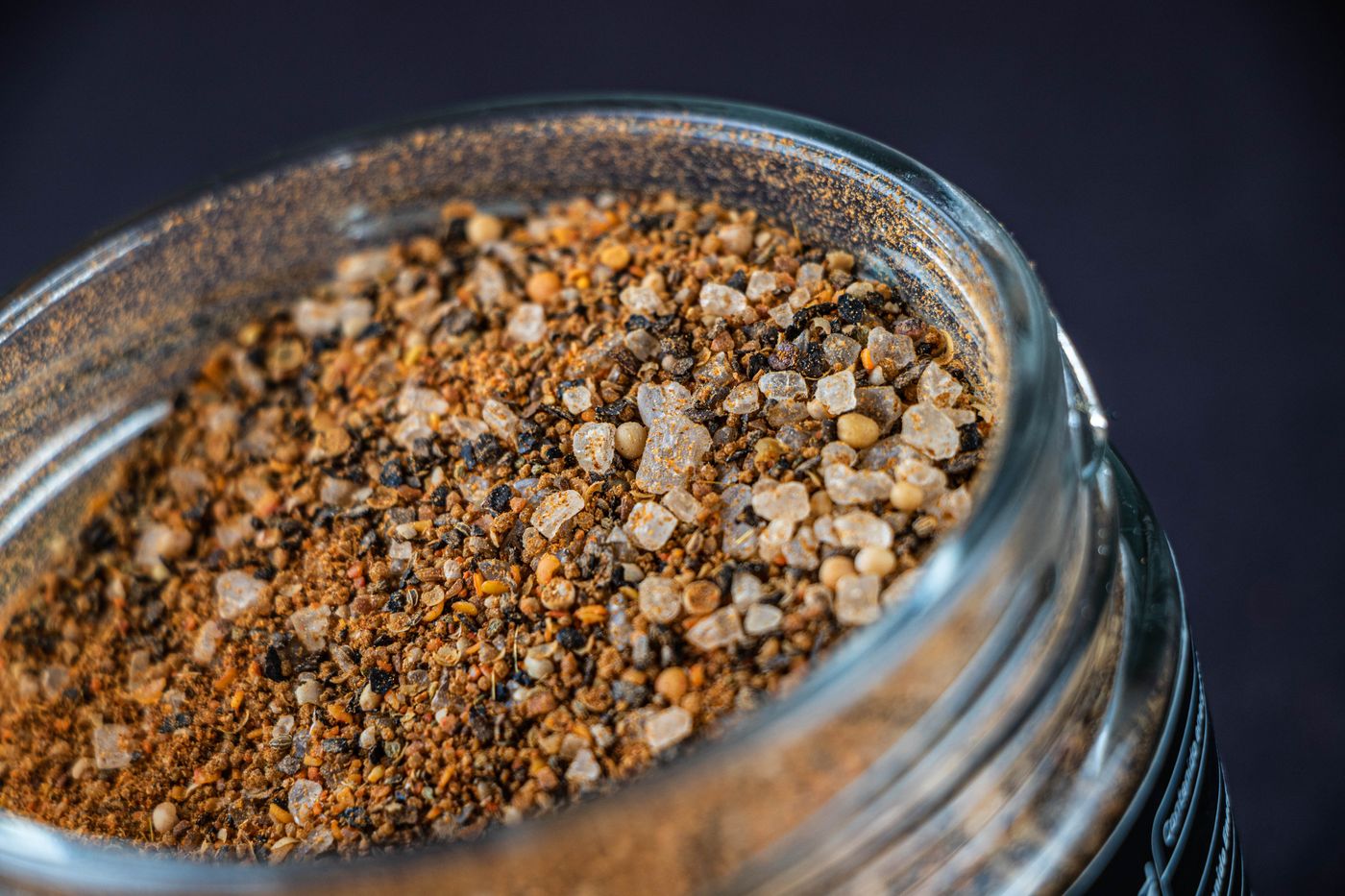
This Hearth Table blend is warm, smoky, and not too salty. That is my preference, because chips, tortillas, cheese, salsa, and hot sauce can bring plenty of salt to the table before the skillet even gets a vote.
Ingredients
What you need
This is the version I like for everyday tacos: enough cumin to feel warm, enough paprika to round it out, and just enough salt to help without taking over. If your household loves heat, you can push the cayenne. I usually keep the base mild and let hot sauce handle the drama.
Method
Mix, shake, label
- Measure the spices. Add the chili powder, cumin, paprika, garlic powder, onion powder, oregano, salt, black pepper, and red pepper flakes if using to a small bowl or jar.
- Mix well. Stir with a fork or whisk, or close the jar and shake until the color looks even.
- Label it. Write the name and date on the jar. My spice-drawer enemy is the mystery jar, and I would like that enemy kept small.
- Use it. Start with 2 tablespoons per pound of food, then adjust after the food is hot and you can taste it properly. If dinner already has salty toppings, pause before adding more.
Use It
How much taco seasoning per pound
If you only remember one thing from this post, make it this: start with less than you think, then taste when the food is hot. You can always add another teaspoon. You cannot politely ask salt to leave.
| Food | Amount | How to use it |
|---|---|---|
| Ground beef, turkey, chicken, or lamb | 2 tablespoons per 1 pound | Brown the meat, drain excess fat if needed, add seasoning and 1/3 cup water, then simmer until glossy. |
| Cooked beans or lentils | 2 tablespoons per 3 cups | Add seasoning with 1/4 to 1/3 cup water or broth, then warm until the beans look lightly sauced. |
| Roasted vegetables or sweet potatoes | 1 to 2 tablespoons per 1 pound | Toss with oil before roasting. Use less if the vegetables are going under salty cheese, salsa, or chips. |
| Fish or shrimp | 1 tablespoon per 1 pound | Use a lighter hand so the seasoning does not cover the seafood. Add lime after cooking. |
| Rice bowls, soups, or skillet dinners | 1 tablespoon to start | Stir in, taste, then add more only if the whole dish still tastes flat. |
Packet Texture
How to make it saucy
Packets usually turn saucy because they include a starch or thickener. I do not put that in my everyday jar because I do not always want sauce. Sometimes I want dry-roasted sweet potatoes, seasoned fish, or beans that are glossy but not thick.
For 1 pound of browned ground meat or 3 cups cooked beans, stir 1 teaspoon cornstarch into 2 tablespoons taco seasoning. Add it to the hot pan with 1/3 cup water, then simmer for 2 to 3 minutes. The mixture should cling instead of sitting dry in the pan.
Cook It Safely
Seasoning is not a doneness check
This is the unglamorous little reminder I want next to every skillet: taco seasoning adds flavor, but it does not tell you whether raw meat is cooked safely. Use a food thermometer when cooking ground meat or poultry.
Ground beef, pork, lamb, and sausage should reach 160 F. Ground turkey, ground chicken, and all poultry should reach 165 F. Fish should reach 145 F, or cook until the flesh is opaque and flakes easily with a fork.
Safe Swaps
What you can change
| Change | Works? | What to watch |
|---|---|---|
| No salt | Yes | Leave the salt out of the jar and season the finished dish to taste. |
| More heat | Yes | Add more cayenne or red pepper flakes in small pinches. Heat builds quickly. |
| Less heat | Yes | Skip the red pepper flakes and use sweet paprika instead of smoked paprika if you want a softer blend. |
| No onion powder | Yes | Skip it if you usually cook fresh onion with the filling. |
| Mexican oregano | Yes | Use it if you have it. Regular dried oregano still works for a weeknight jar. |
| Pure hot chile powder | Use carefully | Do not swap it 1:1 for American-style chili powder unless you want a very spicy blend. |
Serve It
Where this taco seasoning helps
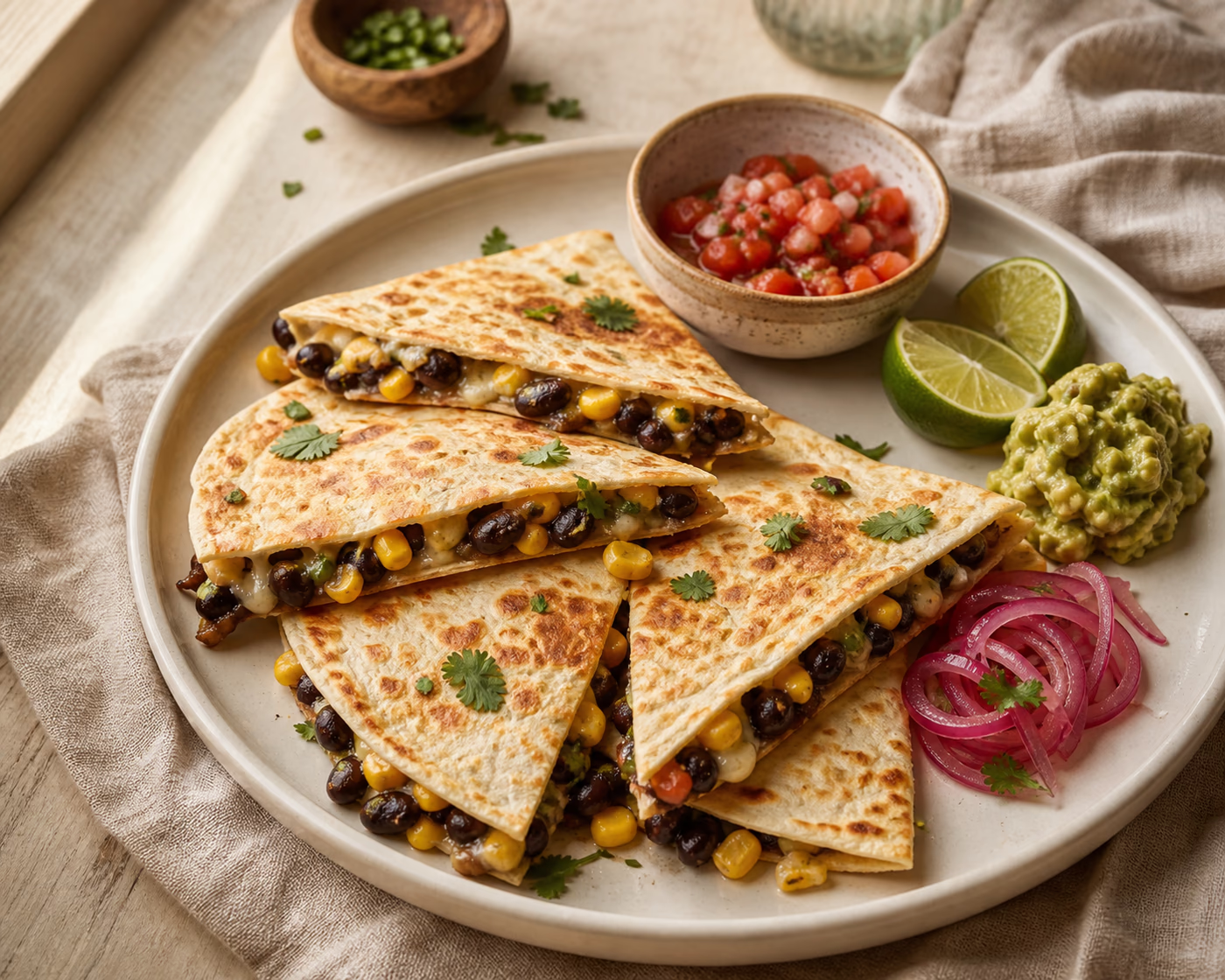
Use the jar for a taco salad recipe, black bean quesadilla, sweet potato black bean tacos, sheet pan fish tacos, taco bowls, bean skillets, roasted cauliflower, roasted potatoes, quick quesadillas, or a ground beef and rice skillet.
For a calmer taco night, set out warm tortillas, this seasoning, one fresh thing like guacamole, and one crunchy thing like vinegar coleslaw. That is enough. I love a generous taco spread, but not on a Tuesday when the sink is already giving me a look.
Storage
Keep the jar useful
I know the over-stove shelf feels convenient, but heat and steam are rough on spices. Store taco seasoning in an airtight jar in a cool, dry, dark spot, close enough to reach but not close enough to fade.
For best flavor, use the blend within 6 months. It may still be safe after that if it stays dry, but older spices taste quieter. Rub a pinch between your fingers; if it barely smells like anything, it will not do much for dinner.
Make It Easier
What to read next
Build the taco-night cluster with a crisp taco salad, black bean quesadilla, sweet potato black bean tacos, sheet pan fish tacos, guacamole for taco night, corn salsa, vinegar coleslaw, and pickled red onions.
For non-taco dinners, use the pantry protein dinner map to turn beans, eggs, tofu, canned fish, yogurt, nuts, or leftovers into a meal.
FAQ
Taco seasoning recipe questions
Is this equal to one taco seasoning packet?
Use 2 tablespoons of this blend for the job most packets do: about 1 pound of ground meat, 3 cups cooked beans, or a medium skillet of taco filling.
Should taco seasoning have cornstarch?
It can, but it does not have to. I keep cornstarch out of the jar unless I know I want a packet-style sauce. Add 1 teaspoon cornstarch at cooking time with 1/3 cup water when you want the filling saucy.
Can I make taco seasoning without salt?
Yes. Leave the salt out of the jar and salt the finished dish after tasting. This is especially helpful when you are serving with chips, cheese, salsa, or packaged tortillas.
Can I use it on beans?
Yes. Use 2 tablespoons seasoning for about 3 cups cooked beans, plus 1/4 to 1/3 cup water or broth. Warm until lightly sauced.
Is this taco seasoning vegan?
The base blend uses only dried spices and salt, with no meat, dairy, eggs, or gelatin. If your household needs halal certification, check the labels on individual spice jars and packaged foods served with it.
Kitchen Note
About nutrition and labels
Nutrition information is not listed because serving size, salt level, spice brands, and the food you season can change the numbers. If you need exact nutrition details, calculate them with the ingredients and amounts you use.
The Vegan badge applies to the dry seasoning blend itself. Check labels for individual spices, tortillas, proteins, cheeses, sauces, and toppings if halal certification, animal rennet, gelatin, alcohol, or allergen cross-contact matters in your kitchen.