
Recipe Notes
Why this works
Browned sausage gives the pan enough seasoning and fat to start a quick sauce. Starchy pasta water loosens the browned bits and helps parmesan cling, while lemon and greens keep the bowl from feeling heavy.
Italian sausage
Bulk sausage is easiest. If using links, remove the casing. Cook raw pork, beef, veal, or lamb sausage to 160 F; cook chicken or turkey sausage to 165 F.
Short pasta
Orecchiette, small shells, fusilli, or rigatoni catch the sausage and greens. Save pasta water before draining.
Kale or sturdy greens
Kale, chard, broccoli rabe, or small broccoli florets can work, but tender spinach needs less time and less liquid.
Lemon and parmesan
Add them near the end. Lemon brightens the sausage, and parmesan helps the pan sauce turn glossy.
Start Here
The sausage is the shortcut
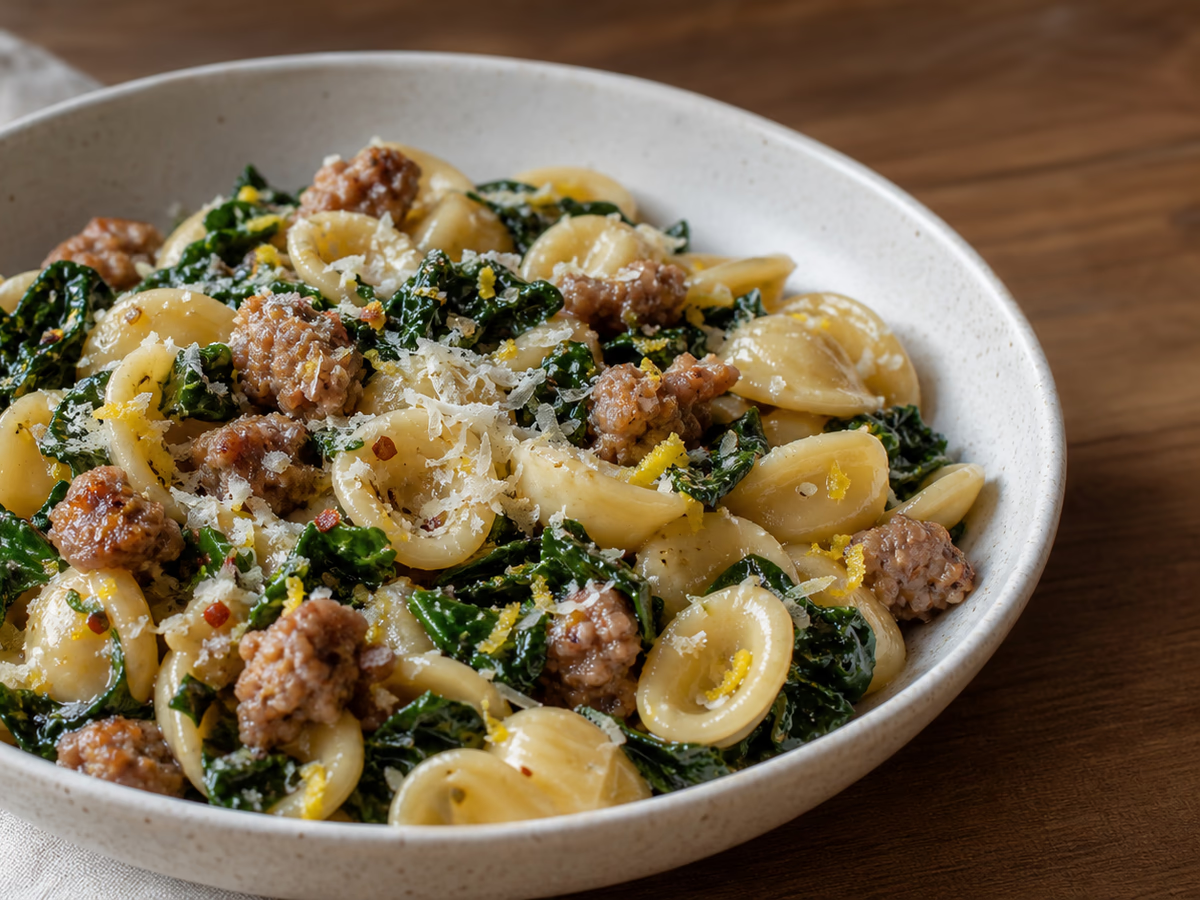
Sausage and greens pasta is the kind of dinner I like when I want something real, fast, and not especially delicate. The sausage brings seasoning, the greens make the bowl feel like dinner, and the pasta water turns the browned bits into a sauce that actually clings.
This Hearth Table version keeps the ingredient list short: Italian sausage, kale, garlic, short pasta, lemon, and parmesan. It is not a cream sauce, not a baked pasta, and not a project. It is a skillet pasta for the nights when you can cook, but you would like dinner to meet you halfway.
Ingredients
What you need
For the pasta
- 12 ounces short pasta, such as orecchiette, small shells, fusilli, or rigatoni
- 1 tablespoon olive oil, plus more as needed
- 12 ounces raw Italian sausage, sweet or hot, bulk or links with casings removed
- 1 small yellow onion or 2 shallots, thinly sliced
- 4 garlic cloves, thinly sliced or minced
- 1/4 teaspoon red pepper flakes, optional
- 1 bunch lacinato or curly kale, stems removed and leaves chopped into bite-size pieces, about 6 packed cups
- 3/4 cup reserved pasta water, plus more as needed
- 1 tablespoon unsalted butter or olive oil
- 1/2 cup finely grated parmesan, plus more for serving
- Zest of 1 lemon
- 1 to 2 tablespoons fresh lemon juice, to taste
- Black pepper, to taste
- Fine salt, only if needed
Method
Cook the pasta and sauce side by side
- Boil the pasta. Bring a large pot of water to a boil and salt it. Cook the pasta until 1 minute shy of al dente. Reserve 1 cup plus 1/2 cup pasta water, then drain.
- Brown the sausage. While the pasta cooks, warm the olive oil in a wide 12-inch skillet over medium-high heat. Add the sausage in small pieces. Let it sit for a minute or two so it browns, then break it up and cook until browned and safely cooked through.
- Check the fat. If the skillet looks very oily, spoon off extra fat and leave about 1 tablespoon in the pan. If the pan looks dry, add a small drizzle of olive oil.
- Soften the onion. Add the onion or shallots and cook for 2 to 3 minutes, until they soften around the sausage. Add the garlic and red pepper flakes and stir for 30 seconds.
- Wilt the greens. Add the chopped kale and 1/2 cup reserved pasta water. Toss and scrape the bottom of the pan until the greens wilt and turn glossy, 3 to 4 minutes.
- Toss the pasta. Add the drained pasta, butter or olive oil, parmesan, and another 1/4 cup pasta water. Toss over medium heat until the pasta is coated and the sauce looks glossy. Add more pasta water, a splash at a time, if it tightens up.
- Finish bright. Turn off the heat. Add the lemon zest, 1 tablespoon lemon juice, and black pepper. Taste before adding salt; sausage and parmesan may already be enough. Add more lemon, parmesan, or salt if the bowl needs it.
Why It Works
The sauce is hiding in the pan
Brown the sausage first
Browning gives you flavor before anything saucy happens. A wide skillet helps the sausage brown instead of steaming, and the browned bits become the base of the pan sauce.
Use the pasta water
Starchy pasta water loosens the sausage bits, wilts the greens, and helps parmesan turn the pan glossy. Plain water can thin the dish, but it will not cling as well.
Chop the greens small
Big leaves tangle and make the pasta hard to toss. Bite-size greens soften quickly and tuck into the pasta instead of sitting on top like a salad.
Add lemon after heat
Lemon tastes cleaner at the end. If you cook all the juice hard in the skillet, you lose the bright edge that balances the sausage and cheese.
Safe Swaps
What you can change
| Swap | Works? | What to watch |
|---|---|---|
| Orecchiette, shells, fusilli, or rigatoni | Yes | Short shapes catch the sausage and greens best. Long pasta works, but the bits settle more. |
| Kale for chard | Yes | Remove thick stems and chop the leaves. Chard wilts a little faster than kale. |
| Kale for spinach | Yes, with less time | Add baby spinach at the very end and use less pasta water. It collapses quickly. |
| Kale for broccoli or broccolini | Yes, with timing changes | Cut small and add to the pasta pot for the last 2 to 3 minutes, or cover the skillet briefly so it steams tender. |
| Pork sausage for chicken or turkey sausage | Yes | Poultry sausage is leaner and must reach 165 F. Add a little olive oil if the pan gets dry. |
| Fully cooked sausage | Timing change | Slice and brown it, then heat until steaming hot. You may need extra oil because it will not render as much fat. |
| Dairy-free version | Possible | Skip parmesan and use olive oil, lemon, black pepper, and toasted breadcrumbs. The sauce will be lighter and less creamy. |
| Plant-based sausage | Possible | Follow the package directions and add oil as needed. Browning and salt levels vary a lot by brand. |
Make It Dinner
What to serve with it
This pasta already has starch, protein, and greens, so it does not need much help. If you want the table to feel a little fuller, add one crisp or fresh thing rather than another cooked side.
- Fresh side: sliced cucumbers, cherry tomatoes, or a simple green salad with vinegar and olive oil.
- Crunch: toasted breadcrumbs, chopped walnuts, or a small handful of crushed croutons over the top.
- Sauce backup: a spoon of lemon yogurt or mustard vinaigrette if the leftovers need reviving tomorrow.
Storage
Good leftovers, with one splash of water
Pasta keeps absorbing sauce as it sits, so leftovers will be firmer and less glossy than the first bowl. Cool leftovers in shallow covered containers within 2 hours, or within 1 hour if the room is hotter than 90 F.
Store in a refrigerator at 40 F or below and use within 3 to 4 days. Reheat with a splash of water or broth until steaming hot and 165 F in the center.
Leftover Plan
Make tomorrow’s bowl less dry
Before reheating, add a spoonful of water, broth, or sauce to the container. Warm gently, then finish again with lemon, parmesan, or olive oil. The second bowl usually needs brightness more than it needs more salt.
- Skillet reheat: warm in a thin layer with a splash of water, then let the edges toast for a minute.
- Lunch bowl: add arugula or chopped romaine after reheating so the bowl gets fresh crunch.
- Soup-ish rescue: loosen a small portion with hot broth and finish with parmesan and pepper.
Make It Easier
What to read next
If you like this skillet rhythm, keep the pantry pasta map nearby for more quick pasta combinations. If tomorrow’s leftovers need a lift, use the small sauce guide. For another complete dinner with one main pan, try one-pot golden chicken and rice or sheet pan gnocchi and vegetables.
FAQ
Sausage and greens pasta questions
What greens work best with sausage pasta?
Kale is the easiest sturdy green here because it wilts without disappearing. Chard, broccoli rabe, broccolini, and small broccoli florets also work. Spinach works too, but add it at the end because it cooks much faster.
Can I make this with broccoli instead of kale?
Yes. Cut broccoli into small florets and add it to the pasta water for the last 2 to 3 minutes, then drain it with the pasta. That keeps the skillet from getting crowded while the broccoli softens.
What kind of sausage should I use?
Sweet or hot Italian sausage both work. Bulk sausage is easiest, but links are fine if you remove the casing. For chicken or turkey sausage, watch the pan because lean sausage may need extra olive oil.
How do I keep sausage pasta from tasting greasy?
After browning the sausage, spoon off extra fat and leave about 1 tablespoon in the skillet. Then use pasta water, lemon, and parmesan to build the sauce instead of adding more oil.
Is browned sausage fully cooked?
Not always. Color helps you see browning, but a thermometer is the safer check. Cook raw pork, beef, veal, or lamb sausage to 160 F, and chicken or turkey sausage to 165 F.
Kitchen Note
About nutrition and timing
Nutrition information is not listed because sausage, pasta shape, cheese, oil, and serving size can change the numbers quickly. If you need exact nutrition details, calculate them with the ingredients you use and your preferred nutrition calculator.
Use the timing cues in the method as your guide. Sausage fat level, pasta shape, and the type of greens can all shift the final few minutes.