
At a glance
Before you start
- Topic
- Kitchen Systems
- Read time
- 8 minute read
- Updated
- June 1, 2026
Start Here
Give leftovers one obvious place to land
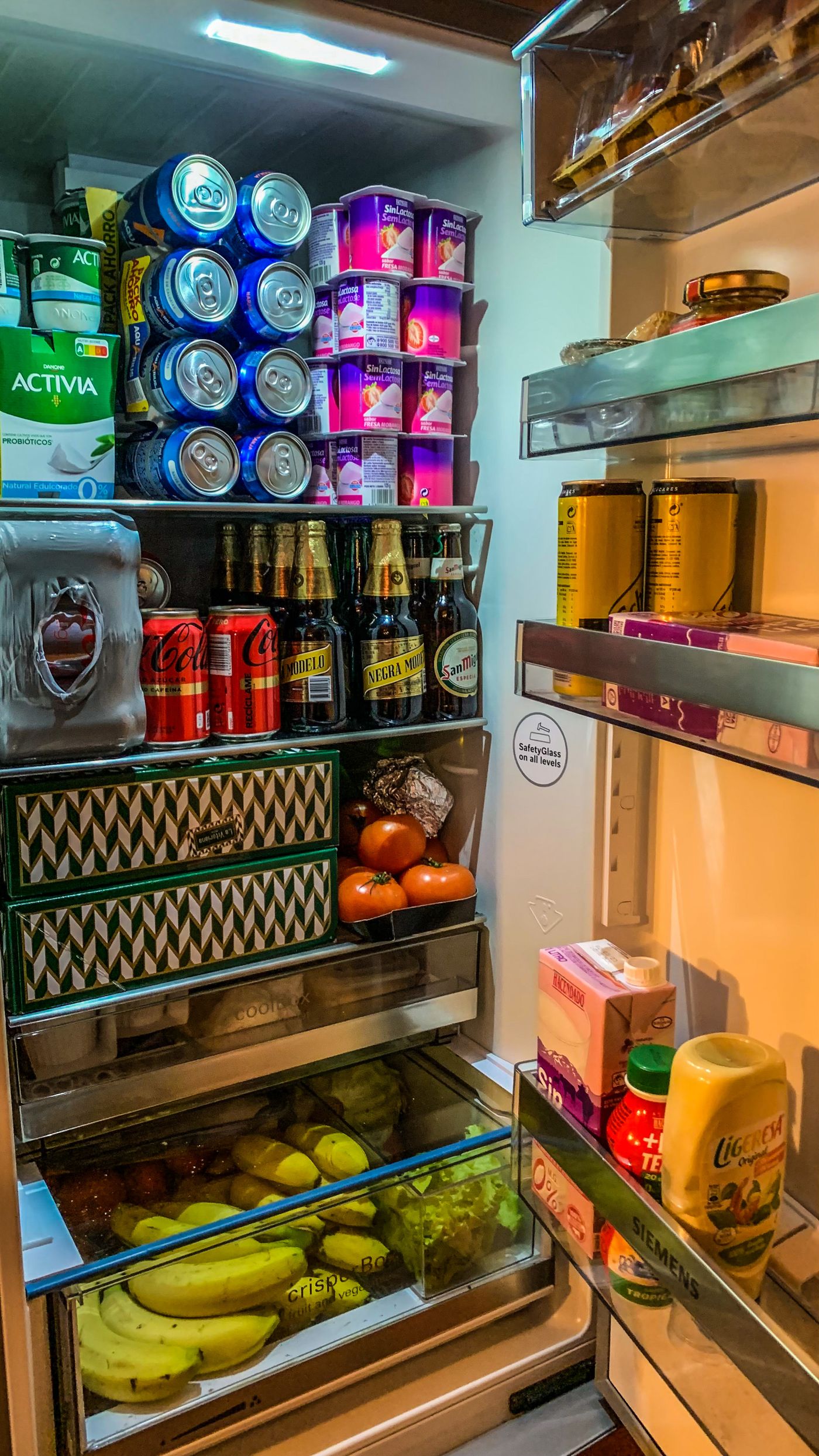
A leftover landing zone is one visible place in the fridge for food that should become dinner soon: cooked grains, half a pot of soup, roasted vegetables, sauces, washed greens, opened broth, and the last spoonfuls of something useful.
Think of it as fridge organization for leftovers with one job: make the next useful meal easy to see.
The point is not to make the refrigerator look styled. The point is to stop good food from drifting to the back, where it becomes invisible until it is no longer dinner.
What Goes There
Store dinner helpers together
Choose one shelf, half shelf, bin, or tray. It should be easy to see when you open the door and easy to clear before grocery day.
Cooked Food
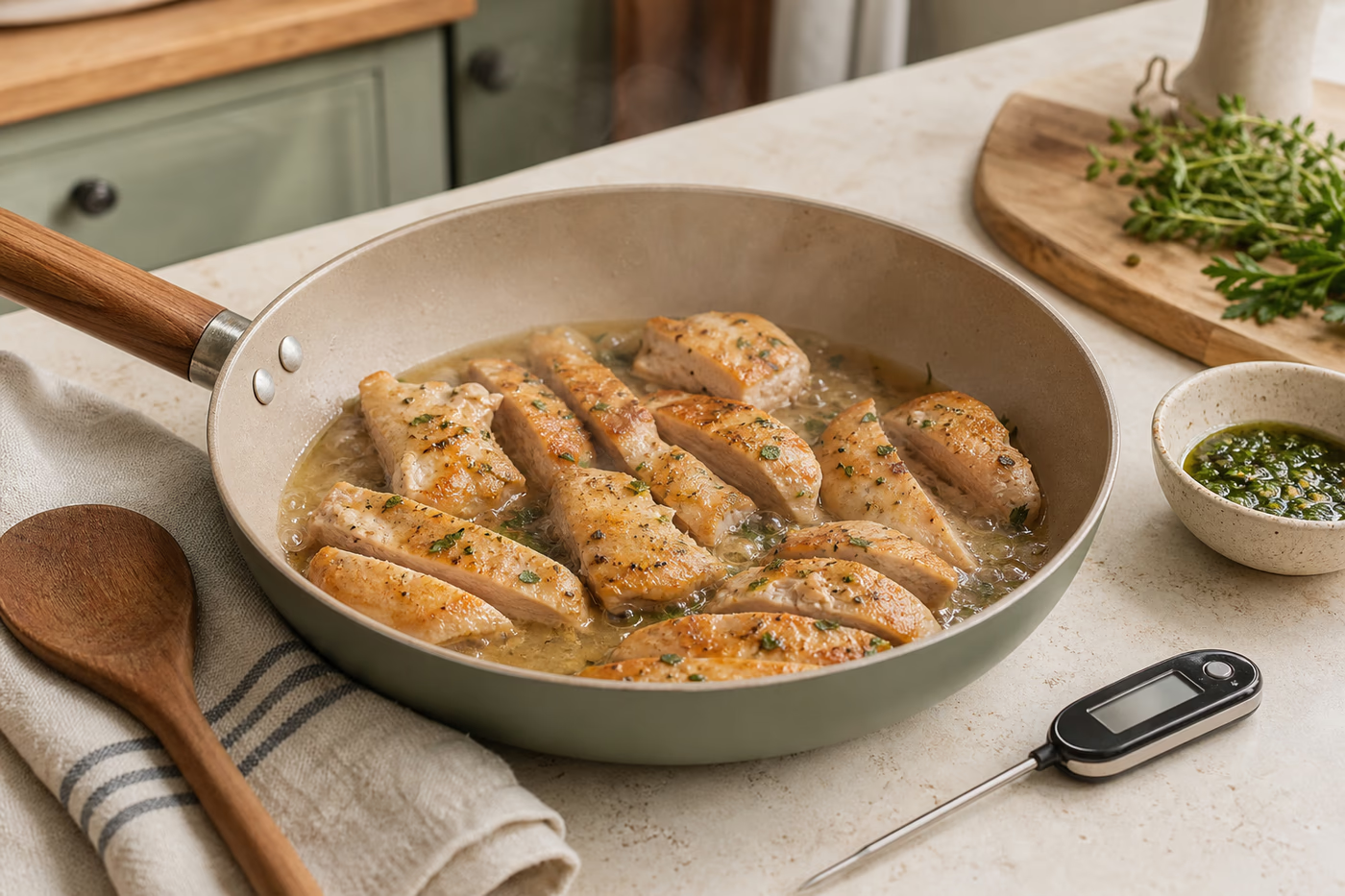
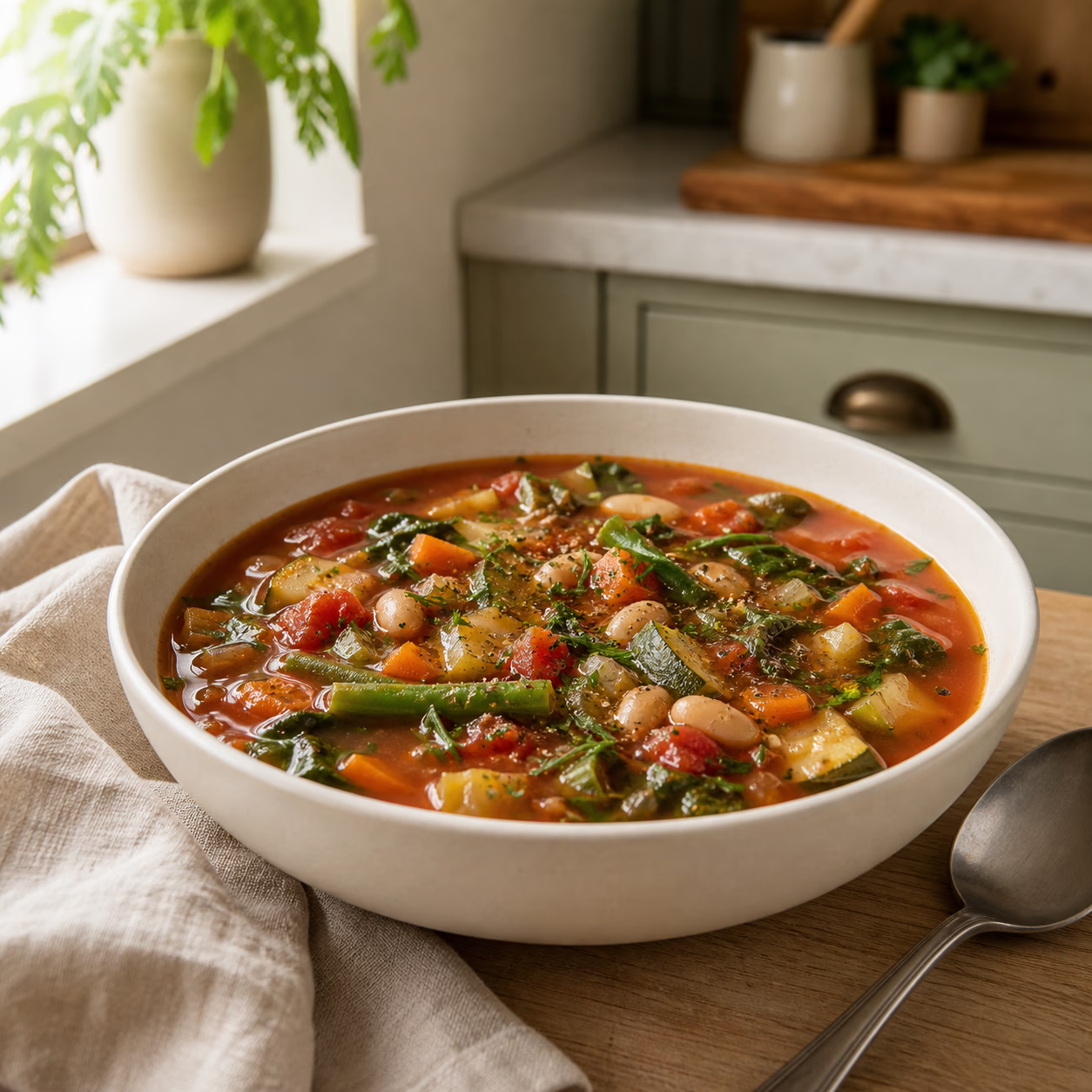
Soup, beans, rice, pasta, roasted vegetables, cooked chicken, taco filling, and anything that can become a bowl, toast, wrap, or quick lunch.
Sauces And Finishes
Lemon yogurt sauce, vinaigrette, pesto, salsa, chopped herbs, pickles, and small jars that make leftovers taste awake again.
Eat-First Produce
Washed greens, half an onion, cut lemon, soft herbs, ripe tomatoes, sliced cucumbers, and vegetables already close to their last good day.
Opened Helpers
Opened broth, coconut milk, tomato paste, cooked grains, and anything you opened for one recipe but need to remember before it disappears.
Setup
Make the zone in ten minutes
- Choose the spot. Pick an eye-level shelf or a clear bin you already own. Do not buy anything yet.
- Clear only that area. Move old containers, duplicate condiments, and mystery jars out of the way.
- Group dinner helpers. Put cooked food, sauces, opened broth, washed greens, and eat-first produce together.
- Label what needs a date. Use painter’s tape, masking tape, a washable marker, or a sticky note. Write the food and date.
- Put oldest food in front. The front row should answer, “What should we eat first?”
- Check it before cooking. Before starting dinner, open the zone and build from what is already waiting.
Storage Safety
Keep it visible and cold
A landing zone is helpful only if the food is cooled and stored well. Put cooked food into shallow containers so it cools faster, and refrigerate perishable food within 2 hours. If the room is hotter than 90 F, use 1 hour as the limit.
Keep the refrigerator at 40 F or below. Most cooked leftovers are a short-term plan, not a “someday” plan: use them within 3 to 4 days, or freeze what you know you will not eat soon.
For cooling, reheating, rice, freezer, and packed-lunch guardrails, use safe meal prep for home cooks. For a chicken container that needs dinner help, use how to reheat chicken without drying it out.
Boundaries
What should not share the landing zone
| Food | Better Place | Why |
|---|---|---|
| Raw meat, poultry, seafood, or eggs | Lowest safe shelf or separate drawer | Keep raw foods away from ready-to-eat leftovers. |
| Long-term condiments | Door or condiment shelf | They crowd the zone and hide food that needs attention. |
| Mystery containers | Decision spot | If nobody knows what it is or when it was made, do not let it keep circulating. |
| Big hot pots | Shallow containers first | Large deep containers cool slowly. Divide food before refrigerating. |
Dinner Starts Here
Turn the zone into a meal
When the landing zone has one base, one vegetable, and one sauce or finish, dinner is closer than it looks. You are not starting from an empty plan; you are assembling from what already needs to be used.
- Rice + roasted vegetables + yogurt sauce: warm the rice and vegetables, then finish with lemon and herbs.
- Soup + bread + greens: reheat the soup, toast bread, and add a handful of greens or herbs at the end.
- Pasta + extra sauce + vegetables: loosen with water or broth, then add parmesan, olive oil, or vinegar.
- Beans + tortillas + salsa: warm together for quick tacos, bowls, or a skillet filling.
Weekly Rhythm
Check it before you shop
Once or twice a week, give the landing zone two minutes. Pull the oldest safe food forward, freeze what will not be eaten, and write one dinner around the container that most needs attention.
| Moment | What To Do | Why It Helps |
|---|---|---|
| Before dinner | Open the zone first | Prevents cooking around food you already have. |
| Before shopping | Check sauces, grains, greens, and leftovers | Reduces duplicate buying and gives the week a starting point. |
| Before trash day | Freeze useful portions and clear expired food | Keeps the zone honest instead of crowded. |
Make It Easier
What to read next
If your landing zone has food you will not eat in time, move useful portions into the freezer backup box. If it has soup, start with freezer-friendly pantry lentil soup. If the leftovers need brightness, use the small sauce guide.
For the wider kitchen setup, small kitchen zones can help containers, lids, and labels live where leftovers actually get packed.
FAQ
Leftover landing zone questions
What is a leftover landing zone?
A leftover landing zone is one visible fridge area for cooked food, sauces, meal-prep components, and eat-first ingredients. It helps you see what can become dinner before you open new ingredients.
Do I need special fridge bins?
No. Start with one shelf, half shelf, plate, tray, or container you already own. Buy a bin only if the test zone actually helps and you know the size you need.
What should I label?
Label cooked food, opened broth, sauces, cooked grains, and anything your household might forget. Write the food name and date. The label does not need to be pretty; it needs to answer the question fast.
How long should leftovers stay in the fridge?
Most cooked leftovers should be used within 3 to 4 days when kept in a refrigerator at 40 F or below. Freeze what you will not eat soon.
How does this reduce food waste?
It does not solve everything, but it makes eat-first food visible. That visibility helps you plan dinner around food that is already cooked, opened, or close to needing attention.