
At a glance
Before you start
- Topic
- Kitchen Systems
- Read time
- 7 minute read
- Updated
- June 21, 2026
Start Here
Cake needs a storage decision, not panic
Learning how to store cake starts with one question: what is the most perishable part of the cake? A plain snack cake and a cake filled with whipped cream do not need the same plan. One is mostly about keeping the crumb soft. The other is about keeping a perishable dessert cold.
For most plain cakes, the best short-term storage is covered at room temperature. For cakes with cream cheese frosting, mascarpone, whipped cream, custard, curd, fresh fruit, or other perishable fillings, use the refrigerator. For longer storage, wrap well and freeze before the cake dries out.
Quick Answer
What is the best way to store cake?
The best way to store most plain cake is covered at room temperature after it cools completely. Use a cake keeper, cake dome, airtight container, or tight plastic wrap. In a normal cool kitchen, this keeps many plain cakes and stable buttercream cakes softer than the refrigerator does.
Use the refrigerator when the frosting, filling, or topping needs it. Cream cheese frosting, mascarpone, whipped cream, pastry cream, custard, lemon curd, fresh fruit fillings, and similar perishable components should not sit on the counter all day just because they are attached to cake.
If you will not eat the cake within a short window, freeze it. Cake layers, slices, and many frosted cakes freeze better than they survive a long, drying stay in the refrigerator.
Storage Map
The cake storage map
Start with the cake situation, then choose the storage. The safest rule is to let the most perishable component make the decision for the whole cake.
| Cake Situation | Best Storage | Watch For |
|---|---|---|
| Plain snack cake, loaf cake, pound cake, Bundt cake, or unfrosted layer | Covered at room temperature for 1 to 2 days for best texture | Freeze if you need longer storage. |
| Stable buttercream cake with no perishable filling | Covered at cool room temperature for short storage | Refrigerate if the room is warm or the cake needs structure. |
| Cream cheese, mascarpone, whipped cream, custard, curd, or fresh fruit cake | Covered in the refrigerator | Follow perishable-food timing, not plain-cake timing. |
| Cut cake or leftover slices | Wrap exposed crumb and cover the cake or container | Cut sides dry out fastest. |
| Cake layers before frosting | Wrap tightly once cool; room temp for short overnight holding or freezer for longer | Do not leave layers uncovered in the fridge. |
| Whole cake for later | Freeze tightly wrapped, with extra protection from air | Thaw while wrapped so condensation stays outside. |
| Perishable cake left out too long | Discard if outside safe time limits | The fridge does not undo a long counter stay. |
Counter
When can cake stay at room temperature?
Plain cake can usually stay at room temperature for short storage when it is fully cooled and well covered. This includes many loaf cakes, Bundt cakes, pound cakes, oil cakes, snack cakes, and unfrosted layers. The counter keeps the crumb softer than the refrigerator when there is no perishable filling forcing the cake cold.
A stable buttercream cake can also stay at cool room temperature for a short window if it has no perishable filling. Use a cake dome or container that protects it from air without smashing the frosting. Bring refrigerated buttercream cake back toward room temperature before serving so the frosting softens.
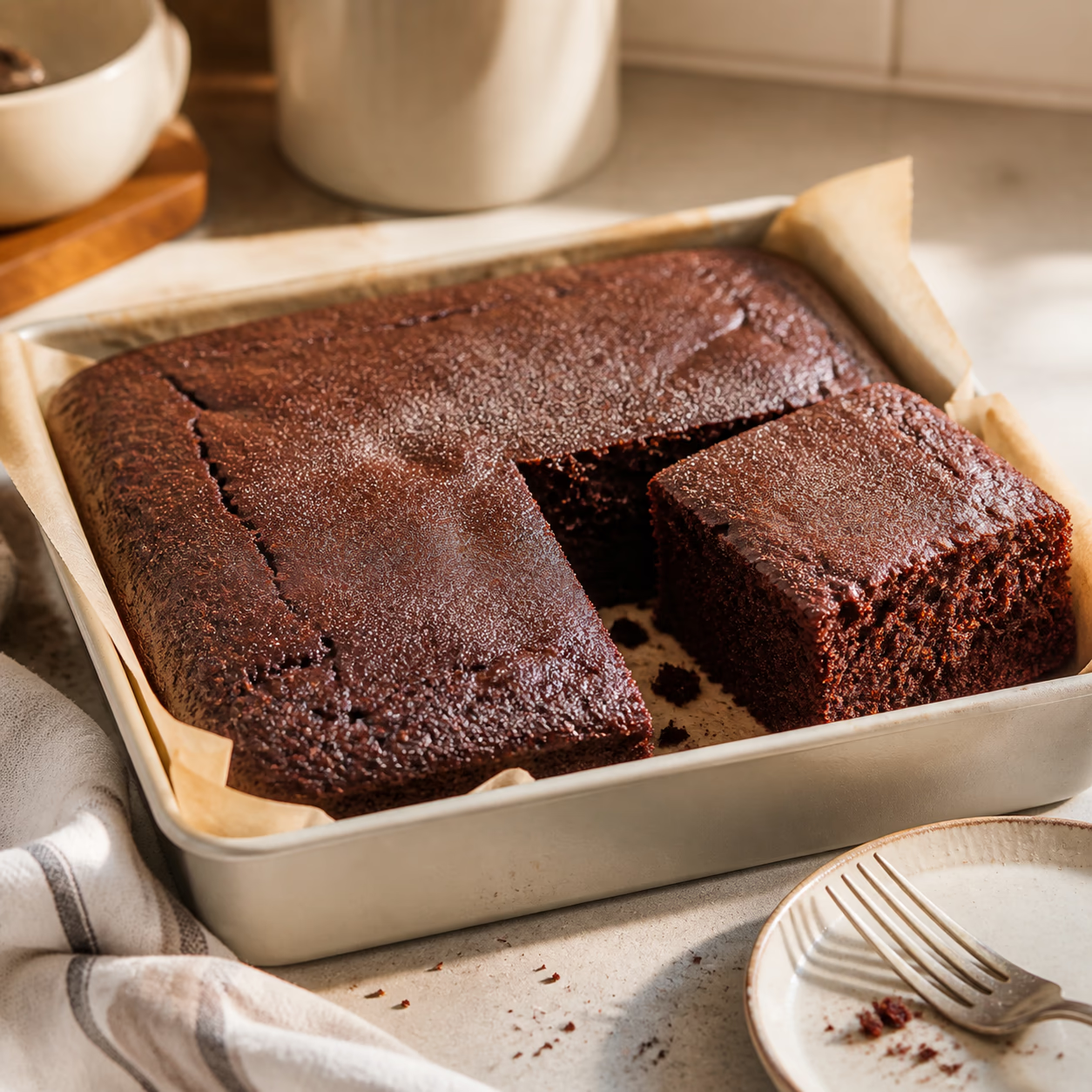
For a simple example, the one bowl chocolate cake is happiest covered at room temperature when it is unfrosted. If you add whipped cream, cream cheese frosting, custard, or another perishable topping, the storage rule changes.
Fridge
Which cakes need to be refrigerated?
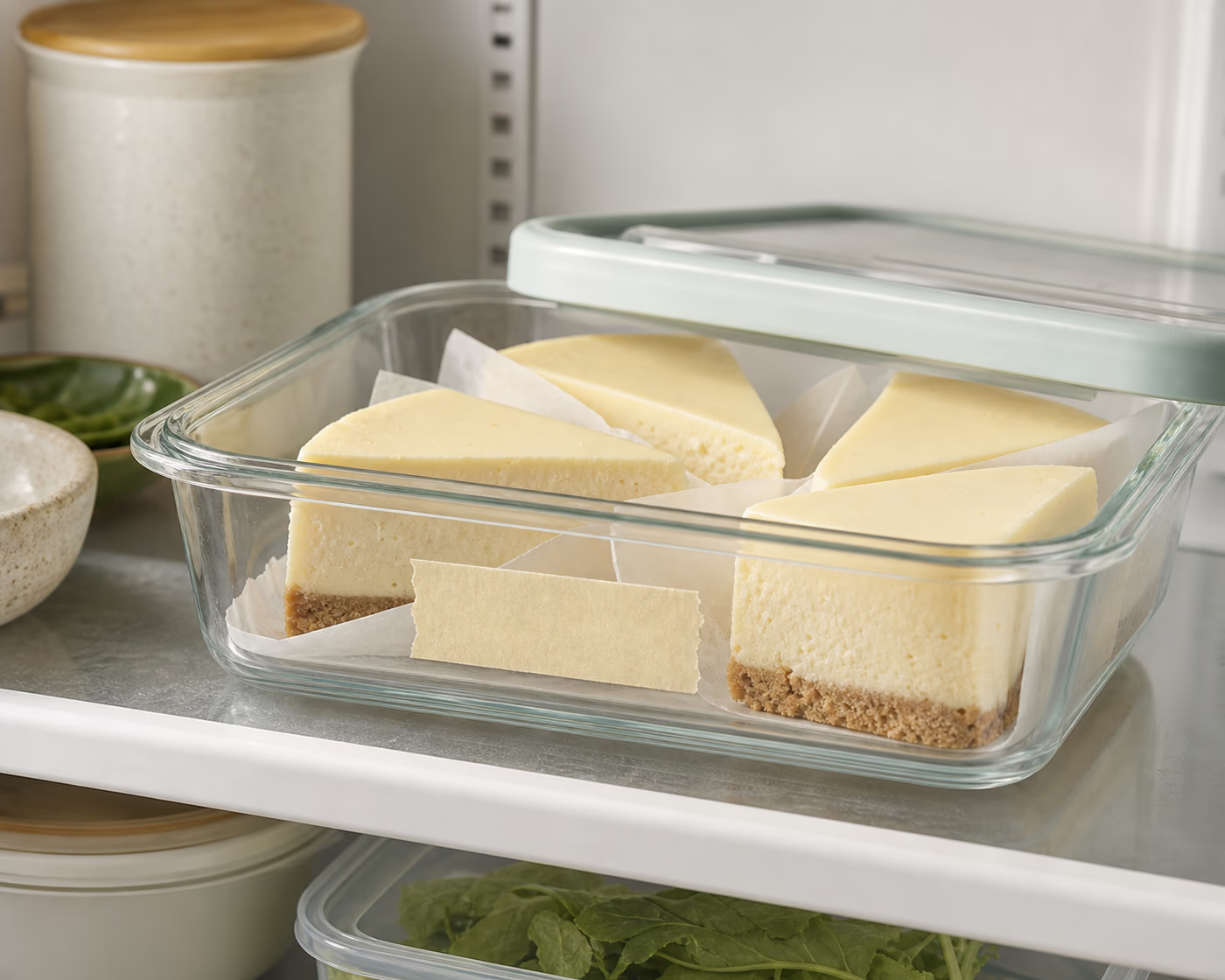
Refrigerate cakes with cream cheese frosting, mascarpone frosting, whipped cream, custard, pastry cream, lemon curd, fresh fruit fillings that need chilling, mousse-style fillings, or other dairy-rich or egg-rich components. If you would refrigerate the filling by itself, refrigerate the cake that contains it.
Pack the cake in a cake carrier, covered container, or loosely tented wrap so it does not absorb refrigerator odors. If the frosting is soft, chill the cake uncovered for a short time until the surface firms, then cover it more securely.
Use the refrigerator as a safety tool, not as the default for every cake. A plain cake can dry out in the fridge. A perishable cake belongs there anyway. That is the whole little tradeoff.
Cut Sides
How to store cut cake and slices
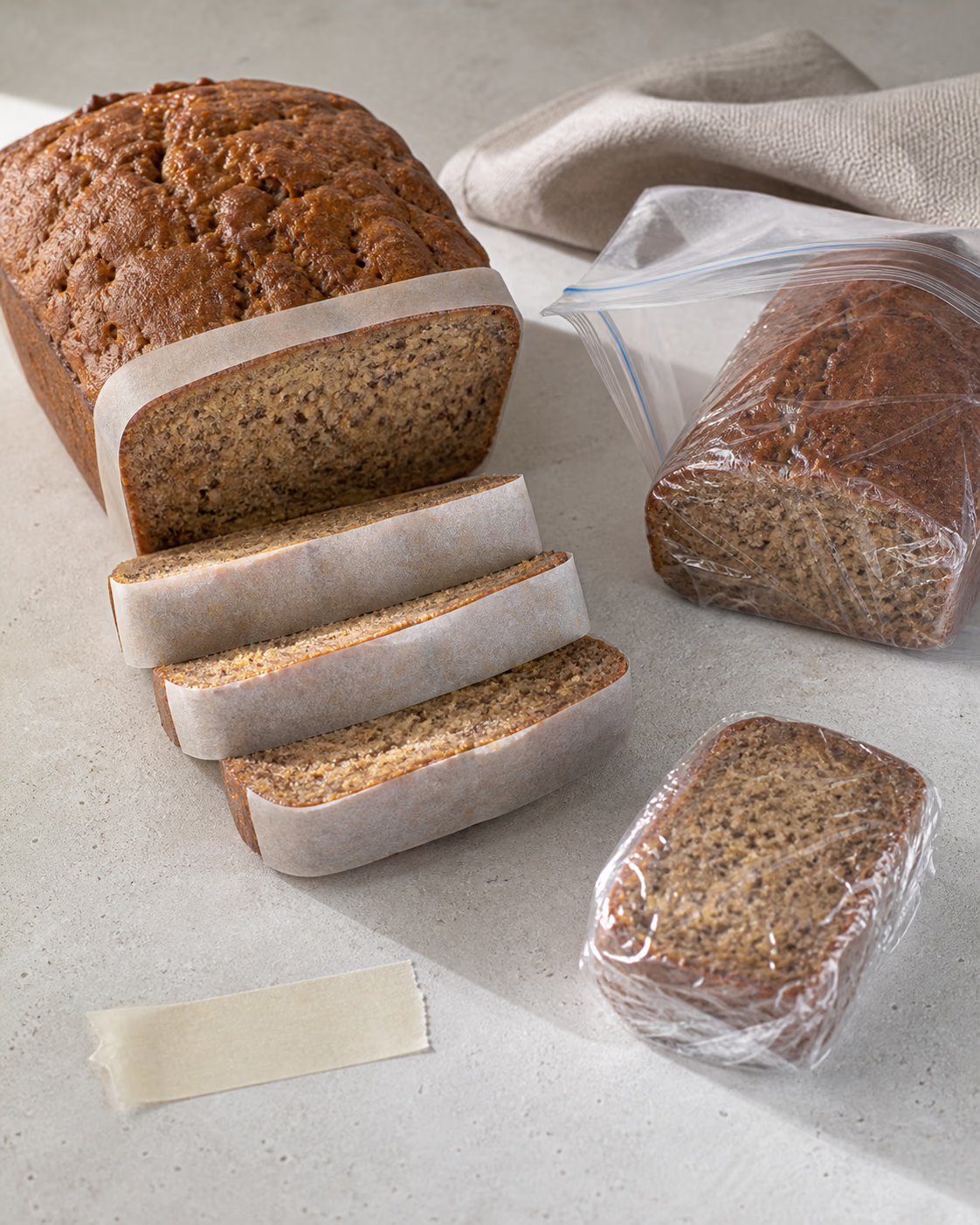
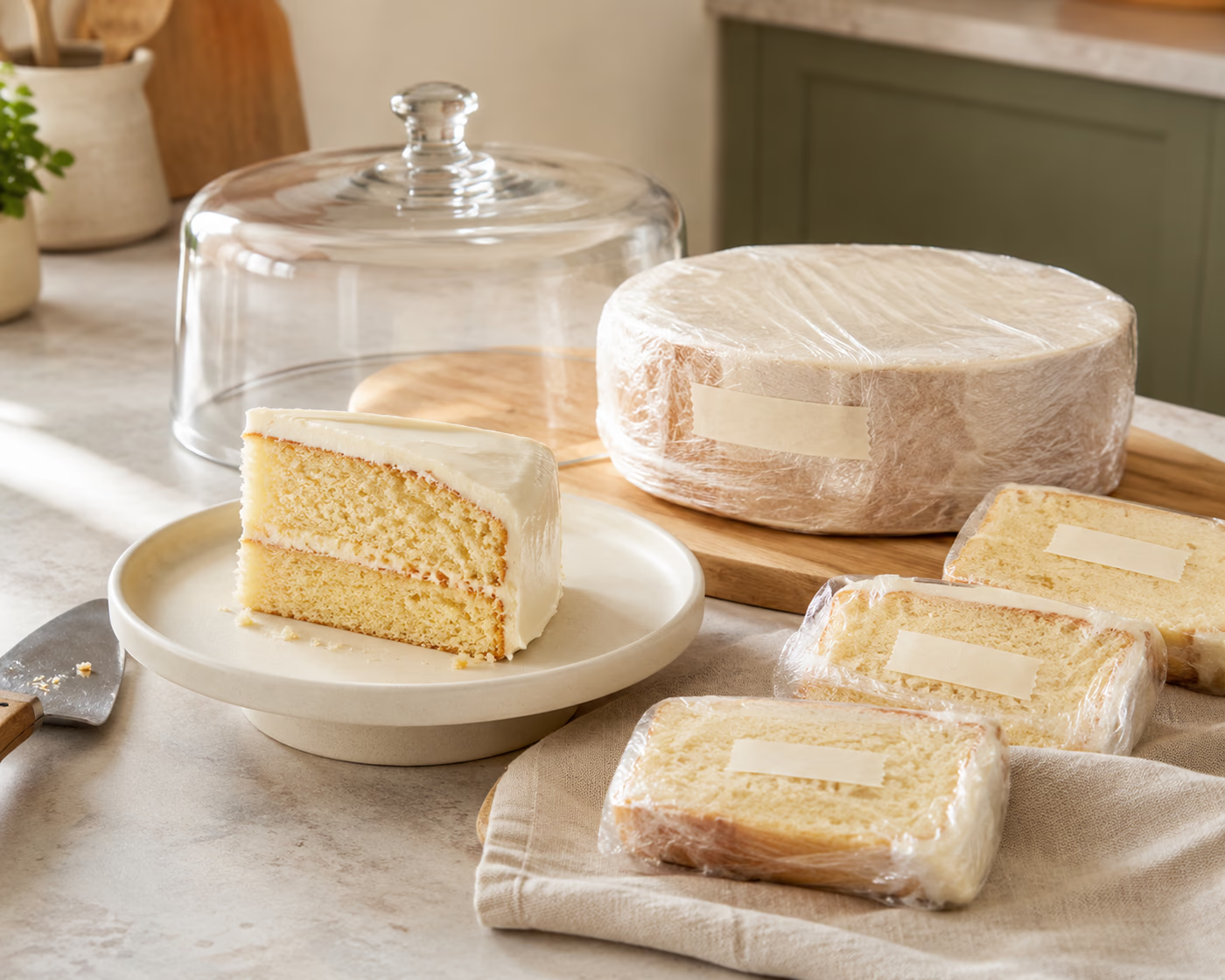
Cut cake dries out fastest where the crumb is exposed. Press plastic wrap directly against the cut sides, then cover the whole cake with a dome, container, or more wrap. If you have slices, move them to an airtight container and cover the cut surfaces as closely as you can.
If the cake is plain or has stable buttercream, slices can often sit covered at room temperature for short storage. If the cake has perishable frosting or filling, the slices go in the refrigerator.
A practical slice trick: put the cake slice on the lid of a storage container, then invert the container body over the slice. It is easier than lowering a fragile slice into a deep container and hoping the frosting behaves.
Cake Layers
How to store cake layers before frosting
Cool cake layers completely before wrapping them. Warm layers trap steam, and steam turns into sticky surfaces, damp crumbs, and frosting trouble later. Once the layers are cool, wrap each one tightly in plastic wrap.
If you are frosting the cake the next day, tightly wrapped layers can usually sit at room temperature overnight in a cool kitchen, or in the refrigerator if the recipe or kitchen conditions call for it. For more than about a day, freeze the layers instead of letting them slowly stale.
- Cool completely. Do not wrap a warm cake layer.
- Wrap tightly. Cover the top, bottom, and sides so air cannot reach the crumb.
- Add freezer protection. For longer storage, add foil or a freezer bag over the plastic wrap.
- Label the date. Future cake math is not a hobby anyone needs.
- Thaw while wrapped. Let condensation form on the wrapping instead of directly on the cake.
No Carrier
How to store a frosted cake without a container
If you do not have a cake carrier, chill the frosted cake briefly until the frosting firms, then cover it without pressing wrap directly into the surface. A few toothpicks can hold plastic wrap away from soft frosting. A large overturned bowl or deep container can also work if it does not touch the cake.
For a cake that is already sliced, protect the cut sides first. The exposed crumb matters more than a perfect frosting tent. Press wrap against the cut surface, then cover the rest as gently as you can.
If the cake has a perishable filling or frosting, use the same no-container method in the refrigerator. If it is plain or stable buttercream and the kitchen is cool, the counter is often better for texture.
Freeze
Can you freeze cake?
Yes. Freezing is often the best way to store cake when you need more than a couple of days. Freeze cake while it still tastes fresh, not after it has already spent a week drying out.
Plain layers and slices are the easiest to freeze. Whole frosted cakes can freeze too, especially with buttercream, but delicate toppings like fresh fruit, whipped cream, or glossy sauces may thaw softer or wetter.
- Cool the cake completely.
- For slices or layers, wrap each piece tightly in plastic wrap.
- Add foil or place wrapped pieces in a freezer-safe bag or container.
- For a frosted cake, freeze uncovered until the frosting is firm, then wrap carefully.
- Label with the cake name and date.
- Use within about 1 to 3 months for best home-freezer quality.
- Thaw perishable cakes in the refrigerator while still wrapped; plain layers or slices can thaw at cool room temperature if you are serving them soon.
If your freezer tends to become a mystery shelf, pair the cake with how to freeze cookie dough and keep a simple label system. Dessert backups are calmer when they have names and dates.
Avoid
Cake storage mistakes that dry cake out or make it unsafe
Most cake storage problems come from trapping steam, exposing cut crumb, or ignoring the filling. These are the habits worth skipping.
- Covering warm cake: wait until the cake is cool so steam does not collect under the wrap.
- Leaving cut sides bare: exposed crumb dries faster than the frosted or browned surfaces.
- Refrigerating every cake: chill perishable cakes, but keep many plain cakes out of the fridge for better texture.
- Leaving perishable frosting out: cream cheese, whipped cream, custard, curd, mascarpone, and fresh fruit change the rule.
- Freezing loosely wrapped cake: air is what gives frozen cake stale, dry edges.
- Keeping mystery cake: if nobody knows when it was made, sliced, or left out, choose caution.
For cheesecake and cheesecake-style desserts, use stricter refrigerator storage than you would for a plain snack cake. Cheesecake is its own dairy-rich lane, and it deserves the colder, more cautious map.
FAQ
Cake storage questions
Is it better to put cake in the fridge or leave it out?
Leave plain cake and stable buttercream cake covered at room temperature for short storage when the kitchen is cool. Put cake in the fridge when it has cream cheese, mascarpone, whipped cream, custard, curd, fresh fruit, or another perishable filling or topping.
How do you store cake overnight?
Let the cake cool completely, then cover it well. Plain cake or stable buttercream cake can usually stay at cool room temperature overnight. Cake with perishable frosting or filling should be refrigerated.
How do you store cake overnight before frosting?
Cool the cake layers completely, wrap each layer tightly in plastic wrap, and keep them at cool room temperature overnight if the cake is plain. For longer storage, freeze the wrapped layers and thaw them while still wrapped before frosting.
Does cake with buttercream frosting need to be refrigerated?
A cake with stable buttercream and no perishable filling can often stay covered at cool room temperature for short storage. Refrigerate it if the room is warm, the cake needs structure, or the filling has a perishable ingredient.
Does cake with cream cheese frosting need to be refrigerated?
Yes. Cake with cream cheese frosting should be stored in the refrigerator. The same goes for mascarpone, whipped cream, custard, curd, fresh fruit, or other perishable fillings and toppings.
How long does cake last in the fridge?
Many refrigerated cakes are best within 3 to 4 days, especially homemade cakes with perishable components. Plain cakes may keep longer from a safety standpoint if handled well, but their texture often suffers in the fridge, so freeze for longer storage when quality matters.
How do you store a frosted cake without a cake carrier?
Chill the cake briefly so the frosting firms, then tent it with plastic wrap supported by toothpicks, invert a large bowl over it, or use a deep container that does not touch the frosting. If the cake is cut, press wrap against the exposed crumb first.
How can you tell if cake is bad?
Throw cake away if you see mold, smell a sour or unpleasant odor, notice slime or unusual wetness, or know it sat outside safe time limits. Do not rely only on smell or appearance for perishable cakes with unknown handling.
Next Steps
Keep the dessert lane tidy
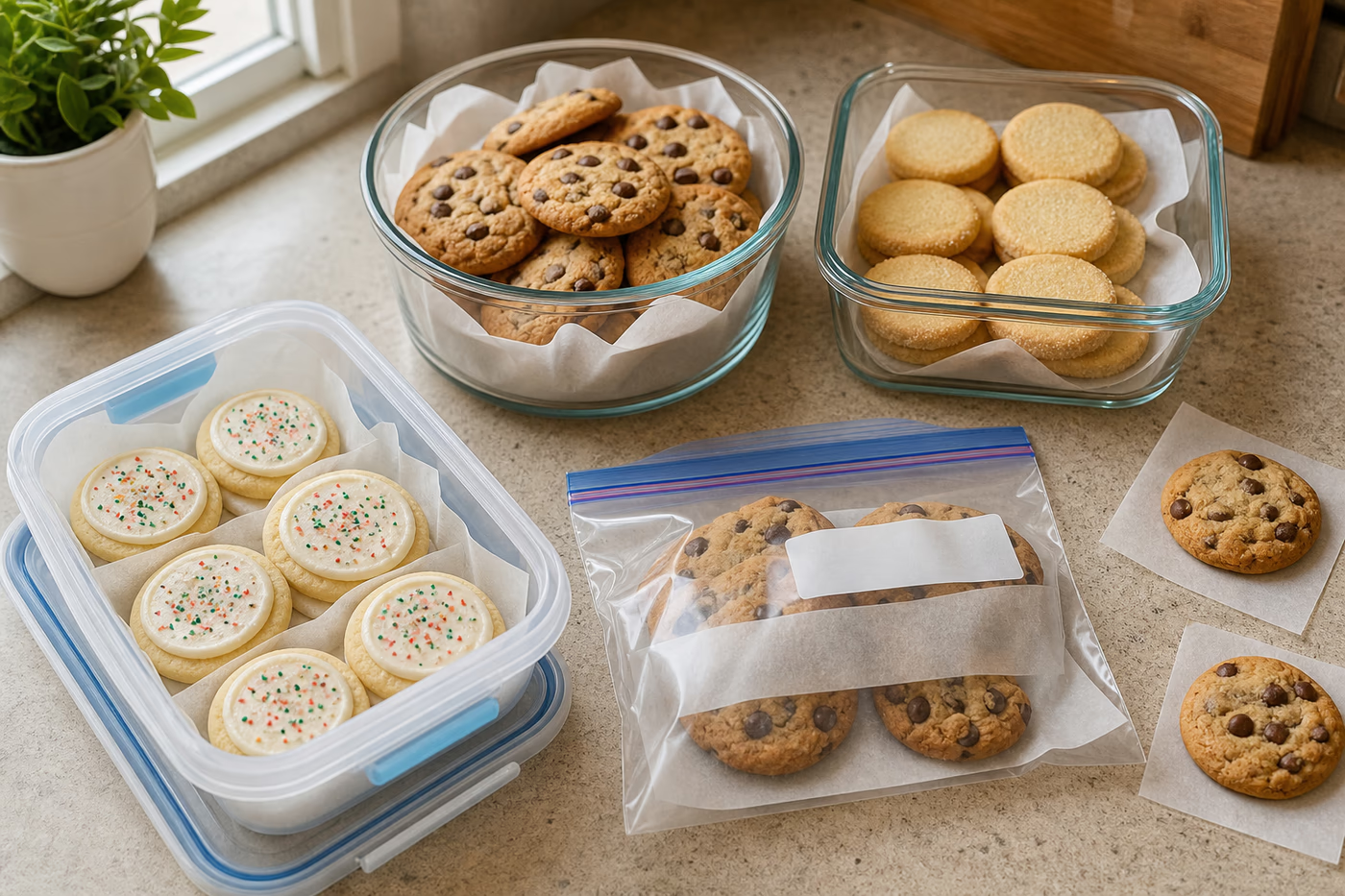
If you are storing cookies instead of cake, use how to store cookies because crisp, soft, filled, and decorated cookies need their own sorter. If the pan is brownies, use how to store brownies so the cut edges stay protected. If the batch is muffins, use how to store muffins so tender tops do not turn sticky. If the problem is individual frosted cakes, use how to store cupcakes for the carrier, frosting, fridge, and freezer decision. If the loaf is banana bread, use how to store banana bread for counter, fridge, and freezer decisions. If you are saving chilled bars, no bake cheesecake bars and coconut icebox cake both belong in the refrigerator from the start.
The calm version is this: cool the cake, check the filling, cover the crumb, and freeze before storage becomes a guessing game.